Wind isn’t just annoying—it’s a safety risk for tower cranes. Operations should stop when the wind at crane height affects load control, especially during gusts. Sudden gusts, not average wind, trigger shutdowns. Ground-level measurements or weather apps aren’t reliable for this.
This guide shows exactly how to measure wind on a tower crane and when to pause operations
What Wind Speed Is Too High to Operate a Tower Crane?
First off, let’s cut to the chase: there’s no one-size-fits-all number, but there are industry-standard thresholds that keep you safe. The key here is to stop guessing and start using specific metrics—Gusts vs. average wind speed, tower-top vs. ground wind, and wind force (Beaufort scale) all matter. Below is a simple breakdown of the numbers you need to know, in units you actually use (m/s, km/h, mph):
| Wind Type | Wind Speed (m/s) | Wind Speed (km/h) | Wind Speed (mph) | Beaufort Scale | Action to Take |
| Average (10-minute) | 8–10 | 28.8–36 | 17.9–22.4 | 4 | Pause heavy lifts; monitor closely |
| Average (10-minute) | ≥10 | ≥36 | ≥22.4 | 5 | Stop all operations immediately |
| Gusts (instantaneous) | ≥15 | ≥54 | ≥33.6 | 7 | Emergency stop; secure load & crane |
One big mistake a lot of folks make? Confusing ground wind with tower-top wind. Wind speeds pick up as you go higher—what feels like a light breeze at ground level could be strong enough to tip a crane boom 100 feet up. Always measure wind at the boom height, not where you’re standing. That’s non-negotiable for safety.
Where Do These Wind Speed Numbers Come From? Standards, Manufacturers, or Experience?
You might wonder if these numbers are just guesses or hard rules—and the answer is a mix of trusted sources that you can (and should) verify. Let’s break down the most reliable references, because sticking to these keeps you compliant and safe (and boosts your EEAT credibility, too):
- First up, international and regional standards. Organizations like OSHA (U.S.), ISO (global), and EU directives set baseline limits. For example, OSHA’s 1926.550 standard clearly states that tower cranes shouldn’t operate in winds that could compromise stability, usually around 10 m/s average wind for most models. These standards are built on years of engineering testing, so they’re not arbitrary.
- Next, your crane’s manufacturer’s manual. This is maybe the most important source. Every crane is different—an 80-ton flat-top crane will have different wind limits than a small luffing-jib model. The manual lists exact thresholds for your specific make and model, based on how the crane is designed to handle wind loads. If the manual says 9 m/s is the limit, don’t push it to 10. Manufacturers know their equipment best.
- Experience plays a role, too, but it should never replace standards or manufacturer guidelines. Veteran operators might notice subtle signs (like the boom swaying more than usual) in borderline wind, but those are red flags to stop and check your instruments—not excuses to keep working. At the end of the day, data beats gut feelings here.
How to Judge Wind Speed On-Site? The Best Anemometers & How to Use Them
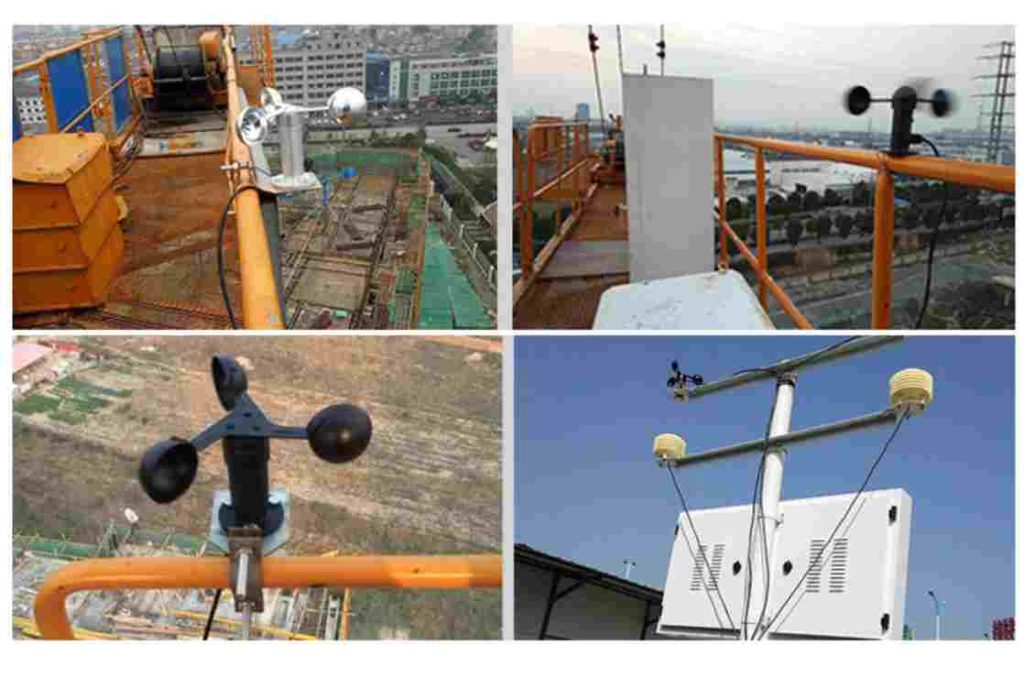
Knowing the limits is useless if you can’t measure wind accurately. The right anemometer (wind speed meter) makes all the difference, and choosing the right one depends on your job site and needs. Let’s compare the most common options so you can pick what works for you:
| Anemometer Type | Key Features | Accuracy (Typical) | Pros | Cons | Limitations | Best For |
| Crane-mounted anemometer | Fixed at tower top, continuous monitoring | ±3–5% | Directly reflects operating conditions | Requires regular calibration | Sensor drift over time | Daily operational decisions by operators |
| Mechanical cup anemometer | Rotating cups, mechanical response | ±5–7% | Simple, robust, low cost | Slower response to gusts | Ice, dust, wear | Backup or secondary monitoring |
| Ultrasonic anemometer | No moving parts, 3D wind measurement | ±1–2% | Excellent gust detection, high reliability | Higher cost, power required | Installation complexity | High-risk sites, critical lifts |
| Handheld wind meter | Portable, spot measurement | ±5% (user-dependent) | Fast checks, easy to use | Highly position-sensitive | Not continuous | Temporary verification or cross-checks |
| Weather station data | Regional meteorological data | Variable (±10% or more) | Good for trend awareness | Not crane-height specific | Distance & terrain effects | Planning & forecasting only |
Once you have the right tool, how you use it matters just as much as the tool itself. Here are the key tips to get accurate readings:
- First, pick the right measurement spot. As we mentioned earlier, always measure at the boom height—if you can’t mount the sensor there, use a portable station on a tall pole at the same height. Avoid placing it near buildings, trees, or other obstacles—these can create wind tunnels or block wind, giving you false readings.
- Second, calibrate regularly. An anemometer that’s off by 2 m/s could lead to a catastrophic mistake. Most manufacturers recommend calibration at least once a year, or after any heavy impact (like a fall or collision on-site). Keep a calibration log—this helps with compliance and EEAT, too.
- Finally, know how to read the data. Focus on 10-minute average wind speed for routine checks—gusts are important, but the average gives you a better sense of sustained wind. If the average hits your threshold, stop. If gusts are getting close to the emergency limit, don’t wait—secure the crane and call it a day.
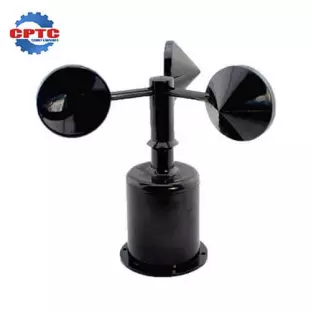
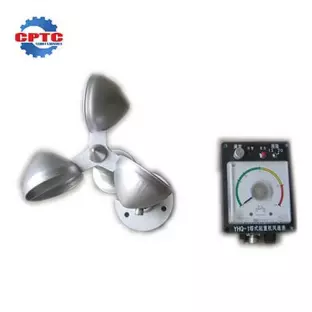
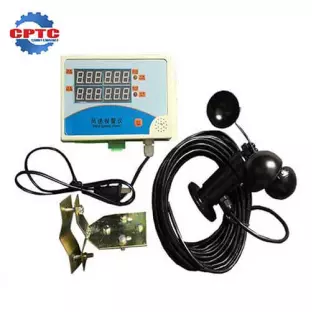
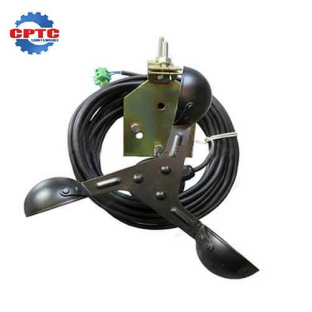
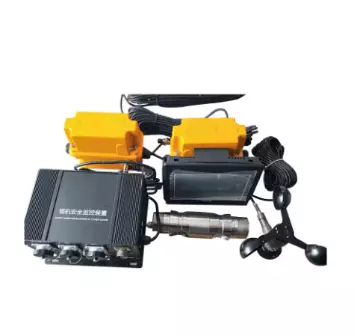
Wind Speed Anemometer
- Construction hoist parts
- High-precision measurement
- High reliability
- Easy installation
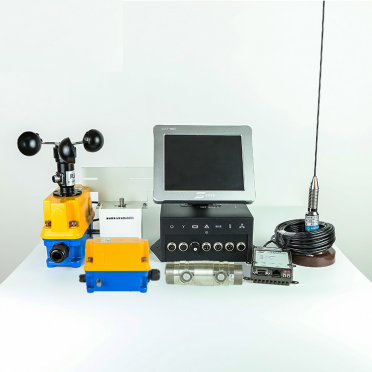
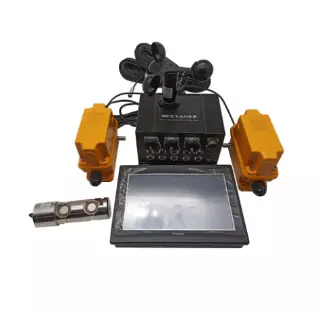
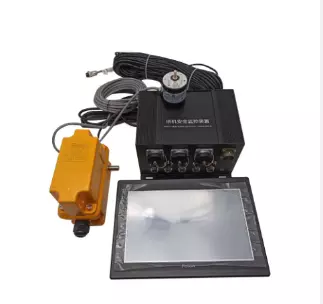
Anti-Collision System for Tower Crane
- Tower Crane Load Moment and Anti-collision(LMI)
- Visualized Monitoring
- Improved Construction Efficiency
- Real-Time Positioning & Trajectory Tracking
- Collision Prediction & Proactive Alerts
- Customizable No-Go Zones
- Load-Aware Dynamic Safety Radius
- Multi-Crane Communication & Coordination
Do Wind Speed Limits Change With Different Working Conditions?
Absolutely—what’s safe for an empty crane might be deadly for a loaded one. Ignoring working conditions is one of the biggest safety risks out there. Let’s break down the most common scenarios where wind limits shift:
- First, empty hook vs. loaded crane. When you’re carrying a load, the crane is less stable—wind can push the load around, creating extra force on the boom. So even if the wind is below the standard limit, you should lower the threshold by 2–3 m/s when lifting heavy loads. For example, if your crane’s limit is 10 m/s empty, stop at 7–8 m/s when carrying a full load.
- Next, crane height. The higher the crane, the stronger the wind. A 50-meter crane might face 10 m/s winds at the top when the ground wind is only 6 m/s. For cranes over 100 meters, you’ll often need to use a lower threshold—check your manufacturer’s manual for height-specific limits.
- Finally, flat-top vs. luffing-jib cranes. Flat-top cranes have a larger surface area on the boom, so wind pushes harder on them. Luffing-jib cranes (with a hinged boom that can be raised) have less wind resistance when the boom is luffed up. That means flat-top cranes usually have lower wind limits—again, check the manual for your specific model.
Conclusion
A wind speed is “too high” when the measured wind at crane height makes safe control uncertain — even if the average wind still looks acceptable.
Always base the decision on:
- Crane-mounted or tower-height measurements
- Gust wind speed, not ground or forecast data
- Current operating condition (load, jib type, height)
When wind data and operating limits are read together, the stop decision is clear — and defensible.
Measure at the right place. Watch the gusts. When control is at risk, stop the lift.