Crane cabins are not interchangeable boxes you bolt onto any crane.
Overhead, gantry, and tower cranes work in very different environments, and their cabins are designed around those realities.
If you’re trying to match the right crane cabin to your hoist, site conditions, and operator needs, this guide will walk you through the differences—clearly, practically, and without overcomplicating things.
What Types of Crane Cabins Are There (Overhead vs Gantry vs Tower)?
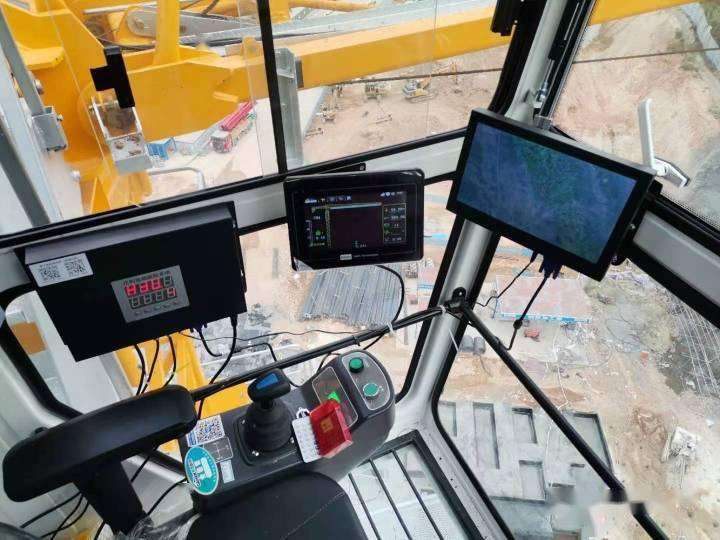
Core Compatibility: Overhead vs Gantry vs Tower Crane Cabins
| Cabin Type | Compatible Crane Types | Key Features / Focus | Typical Applications | Limitations / Not Suitable For |
| Overhead Crane Cabin | Single/double-girder bridge cranes | Compact, indoor precision | Factories, workshops, warehouses | Outdoor cranes, long continuous shifts |
| Gantry Crane Cabin | Rail-mounted or rubber-tired gantry cranes | Weatherproof, wide outdoor visibility | Ports, shipyards, open yards | Indoor tight spaces, low-clearance cranes |
| Tower Crane Cabin | Hammerhead, luffing jib tower cranes | Anti-vibration, 360° visibility | High-rise construction, urban projects | Indoor or ground-level cranes, other types |
Overhead Crane Cabins — Best for Indoor, Factory-Style Operations
Overhead crane cabins are typically found inside warehouses, factories, or assembly facilities—the “indoor workhorses.”
Key Points:
- Compatible equipment: Single/double-girder bridge cranes, overhead hoists
- Design focus: Compact, semi-enclosed or fully enclosed, precision control
- Typical applications: Factories, workshops, warehouses
- Installation: Mounted on the crane bridge or trolley; moves along with the crane
- Visibility: Clear view of load and surrounding floor area
- Limitations: Not suitable for outdoor use or other crane types
- Core goal: Precision and efficiency in enclosed spaces
Why are overhead crane cabins designed this way?
Overhead cranes usually work indoors, where weather isn’t the problem—accuracy and responsiveness are. The cabin design reflects that priority.
Overhead cabins prioritize maneuverability and short-range visibility, not weatherproofing or high-altitude safety.
Gantry Crane Cabins — Built for Outdoor, Open-Air Jobs
Gantry crane cabins are designed for outdoor durability and versatility.
Key Points:
- Compatible equipment: Rail-mounted gantry cranes, rubber-tired gantries, portal cranes
- Design focus: Fully enclosed, weatherproof, ergonomic for long shifts
- Typical applications: Ports, shipyards, outdoor yards
- Installation: Usually mounted on crane bridge, sometimes as fixed nearby structure
- Visibility: Wide horizontal view of open areas
- Limitations: Overkill for indoor use; heavier and costlier than overhead cabins
- Core goal: Outdoor versatility and stability for large, heavy loads
Why gantry crane cabins are different
Most gantry cranes operate outdoors, exposed to wind, rain, heat, and dust. Cabin design prioritizes protection and endurance, not compactness.
Gantry cabins prioritize weather resistance and operator comfort over compactness or indoor maneuverability.
Tower Crane Cabins — For High-Altitude, Vertical Construction
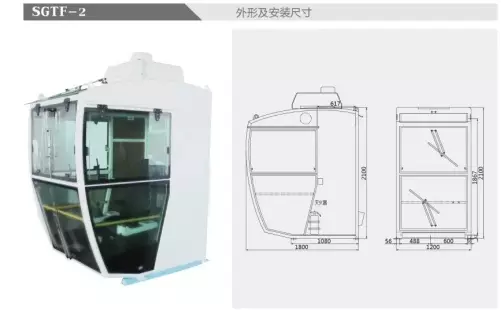
Tower crane cabins are the high-rise specialists, perched atop construction towers.
Key Points:
- Compatible equipment: Hammerhead and luffing jib tower cranes
- Design focus: Anti-vibration, compact, maximum visibility
- Typical applications: Skyscrapers, bridges, urban projects
- Installation: Mounted high on the tower mast near the jib
- Visibility: 360° site coverage
- Limitations: Only for tower cranes; specialized installation and maintenance required
- Core goal: High-altitude precision and operator safety
What makes tower crane cabins unique
The defining factor is height. Even minor vibration or blind spots become major risks when operating dozens of meters above ground.
Tower cabins are designed for vertical lifting, extreme visibility, and wind/high-altitude adaptation.
Overhead vs Gantry vs Tower Crane Cabins: Which One Is Best for Your Hoist?
| Your Needs/Setup | Best Cabin Type | Key Reason |
| Indoor work (warehouse/factory) with an overhead crane hoist | Overhead Crane Cabin | Compact, great indoor visibility, and fully compatible with overhead hoists |
| Outdoor work (yard/construction) with a gantry crane hoist | Gantry Crane Cabin | Weatherproof, wide outdoor visibility, built for open-space operations |
| High-rise construction with a tower crane hoist | Tower Crane Cabin | Altitude-adapted, 360° site visibility, precision for high-load placement |
| Need to handle heavy loads in open, outdoor areas | Gantry Crane Cabin | Durable against elements and designed for large, outdoor loads |
| Need precision for small-to-medium loads in tight indoor spaces | Overhead Crane Cabin | Maneuverable and focused on close-range visibility |
| Need to lift loads to extreme heights (100+ feet) | Tower Crane Cabin | Perched high for unbeatable visibility and control at altitude |
- If your hoist works indoors, an overhead crane cabin is usually the most practical choice.
- If your hoist operates outdoors for long hours, gantry crane cabins are built for that reality.
- If your hoist is part of a tower crane, only a tower crane cabin will meet the safety and visibility demands.
Final Thoughts
Crane cabins are not about looks or optional comfort—they are task-specific tools.
The right choice depends on:
- Where your crane operates
- How long operators stay inside the cabin
- How much visibility and protection the job demands
When the cabin design matches the crane type and working conditions, operators work safer, faster, and with less fatigue.