- Where’s the right spot to mount a wind speed anemometer on a tower crane?
- Can you trust your phone’s weather app for job site winds?
- What risks come with wrong wind speed data?
If you’re an engineer or tower crane operator, these questions have definitely crossed your mind. The truth is, accurate wind speed measurement on a tower crane isn’t just a “nice-to-have”—it’s a make-or-break factor for operational safety. A single error in data can lead to catastrophic accidents. In this guide, we’ll walk you through every critical step of anemometer installation, selection, data interpretation, and maintenance. No jargon, just actionable insights to help you get wind speed measurement right.
Where and How Is Wind Speed Measured on a Tower Crane?
The golden rule: measure at the boom or load height—not the ground. Wind speed increases with height, and the terrain around the site can amplify this effect. A “light breeze” on the ground might be a dangerous gust 100 meters up.
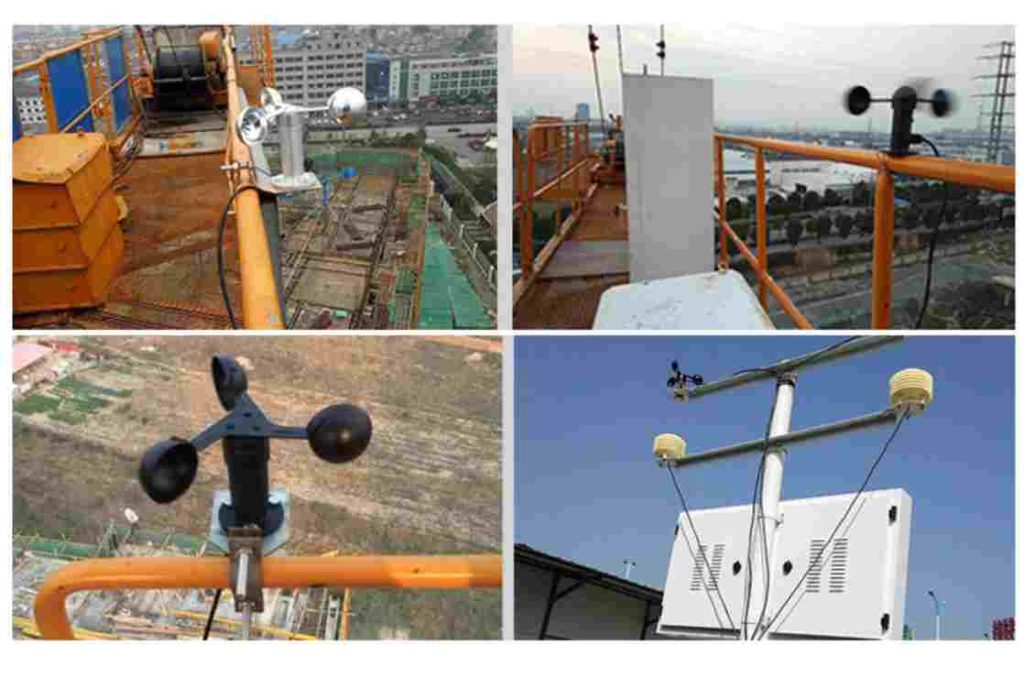
- Boom tip – most accurate, fully exposed to real load wind.
- Edge of tower top platform – keep at least 1.5 m from other equipment, ensure 360° exposure.
- Sensor orientation – point into the wind, parallel to the horizontal plane. Prevents rain buildup and ensures consistent measurement.
How Is Wind Speed Measured on a Tower Crane?

3 main types of anemometers are used on tower cranes:
- Cup Anemometers – wind spins cups; rotations are converted to electrical signals sent to the cab.
- Ultrasonic Anemometers – use ultrasonic waves; no moving parts, very durable in harsh conditions.
| Type | Best For | Pros | Cons |
| Cup | Standard cranes, normal weather | Cost-effective, easy to maintain | Bearings wear, not ideal in cold/high humidity |
| Ultrasonic | Harsh conditions (cold, strong winds, high vibration) | Durable, optional heating, waterproof | Higher cost |
| Integrated (with anti-collision system) | Large sites, multiple cranes | Real-time data sharing, auto restrictions | Expensive, complex maintenance |
For large, complex sites, integrated systems are safer. For small to medium-sized sites, independent anemometers are effective if installed and maintained properly.
Common wrong spots & risks:
| Wrong Spot | Risk |
| Tower body side | Measures turbulent wind around the tower, not the real load wind. Gives false sense of safety. |
| Obstructed tower top | Nearby caps, tie rods, or antennas block airflow. Data is unreliable. |
| Near radars/antennas | Electromagnetic interference or disrupted airflow leads to skewed readings. |
Engineering Selection Perspective: Which Anemometer Is Right for Your Tower Crane?
Choosing the right anemometer isn’t about picking the cheapest or most advanced one—it’s about matching it to your actual job site conditions. Let’s break down the common types and their engineering suitability.
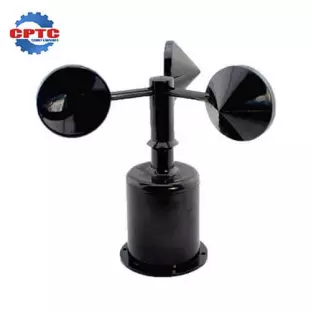
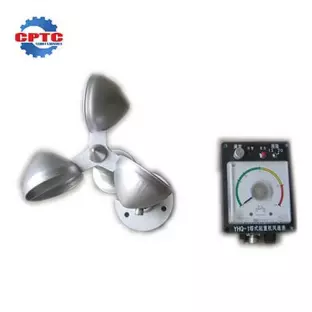
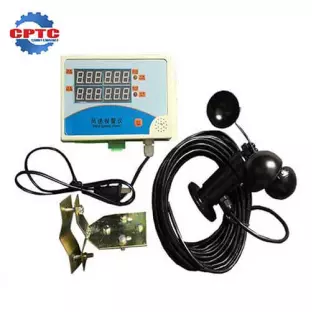
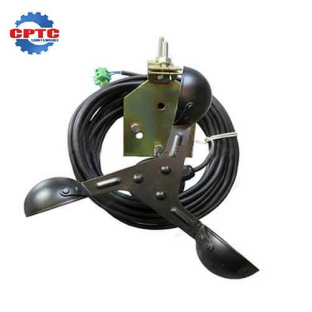
Wind Speed Anemometer
- Construction hoist parts
- High-precision measurement
- High reliability
- Easy installation
Common Anemometer Types for Tower Cranes (With Applicable Scenarios)
- Cup Anemometer: A traditional mainstream type, suitable for most tower cranes working in normal temperature and low-vibration conditions. It’s a cost-effective choice for standard scenarios.
- Ultrasonic Anemometer: Ideal for harsh conditions like high vibration, low temperature, high humidity, and strong winds. It’s especially popular in cold regions because heating functions are often available as an option.
- Integrated Anemometer (Anti-collision/Safety System): Integrated with anti-collision systems and safety monitoring systems, it enables real-time data sharing. This type is perfect for large, complex job sites with multiple cranes working together.
Key Engineering Comparison Points
| Comparison Dimension | Cup Anemometer | Ultrasonic Anemometer | Integrated Anemometer |
| Vibration Resistance | Medium (regular bearing wear checks required) | High (no moving parts, vibration-resistant) | High (optimized vibration adaptability for safety system integration) |
| Reliability in Low-Temperature/High-Humidity Environments | Medium (bearings prone to freezing in low temperatures) | High (heating function optional, excellent waterproof performance) | High (integrated system includes environmental adaptability design) |
| Regular Calibration Requirement | Required (once a year, calibrate rotating part accuracy) | Required (once a year, calibrate ultrasonic sensor) | Required (calibrate synchronously with the safety system) |
| Adaptability to Cold Regions | Poor (additional heating device needed) | Good (built-in heating function optional) | Good (customizable low-temperature adaptation solutions available) |
| Engineering Applicable Scenarios | Normal temperature, standard working conditions, small-to-medium tower cranes | Harsh conditions (high vibration, low temperature, coastal strong winds) | Large job sites, multiple crane collaboration, intelligent management and control needs |
How to Read Wind Speed Data & Convert It to Operational Rules?
This is the part most blogs skip, but it’s the most valuable for your search intent. Misinterpreting wind speed data is one of the top causes of tower crane accidents. Let’s break it down clearly.
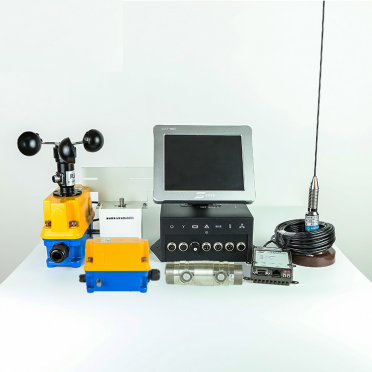
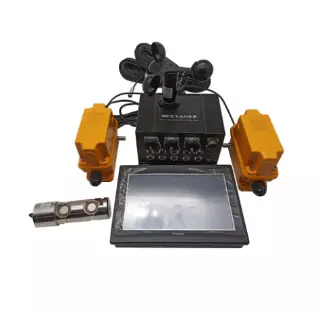
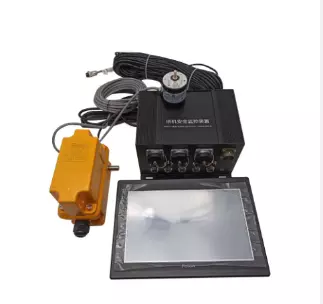
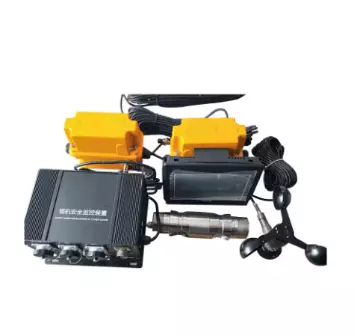
Anti-Collision System for Tower Crane
- Tower Crane Load Moment and Anti-collision(LMI)
- Visualized Monitoring
- Improved Construction Efficiency
- Real-Time Positioning & Trajectory Tracking
- Collision Prediction & Proactive Alerts
- Customizable No-Go Zones
- Load-Aware Dynamic Safety Radius
- Multi-Crane Communication & Coordination
Core Concept Differentiation: Real-Time Wind Speed vs. Gusts vs. Averages
First, let’s clarify the definitions and differences—understanding these is critical for safety:
- Real-Time Wind Speed: Instantaneous wind speed, updating every second. It reflects the current changes in wind force, helping you spot sudden shifts.
- Gusts: Sudden, short bursts of wind (lasting a few seconds to tens of seconds). Gusts are the biggest safety risk—they’re the main cause of load swing and tower instability.
- Average Wind Speed: Usually a 10-minute average, which is a common standard in the industry. It’s used to judge long-term wind trends, but it shouldn’t be your only reference.
- Safety priority ranking: Gusts > Real-Time Wind Speed > Averages. Gusts are the core focus of safety control—never ignore them even if the average wind speed seems low.
Common misunderstandings among operators:
- Treating the average wind speed as the sole judgment criterion, ignoring the risk of gusts.
- Confusing display logic from different manufacturers—some default to showing gusts, while others show averages. This mix-up can lead to dangerous misjudgments.
Alarms & Operations: How Does Data Trigger Operational Restrictions?
Who sets the alarm thresholds? First, follow the manufacturer’s recommendations—they’re tailored to your specific crane model and wind load design. Second, comply with industry standards (such as OSHA 1926.550 and GB 5144).
Here are the practical “data-to-action” rules you can follow directly:
- When the 10-minute average wind speed reaches 8-10 m/s: Restrict lifting operations. Prohibit heavy loads and oversized component hoisting—only handle light, easy-to-control items if necessary.
- When the real-time wind speed reaches 10 m/s or gusts reach 12 m/s: Prohibit slewing operations. If needed, switch to free slewing mode—let the boom swing with the wind to reduce wind load on the crane.
- When gusts reach 15 m/s or higher: Trigger an emergency alarm. Immediately stop all operations, lower and secure the load, and lock the boom.
Critical reminder: A wind speed alarm doesn’t mean you have to stop immediately in all cases—you need to judge based on working conditions (e.g., empty hook vs. loaded, boom length). However, after an alarm, you must stop dangerous operations and investigate risks immediately.
Practical Guarantee: Installation Standards, Daily Inspection, Calibration & Maintenance
Even the best anemometer will fail if installed incorrectly or not maintained properly. Let’s cover the actionable steps to ensure data accuracy.
Installation Standards: Key Details Easily Overlooked by Humans
Pre-installation checks:
- Inspect the sensor for damage and ensure wiring is secure.
- Verify that the signal transmission to the operator’s cab is normal—test this before final installation.
Installation considerations:
- Keep the anemometer away from obstructions and electromagnetic interference sources (such as radars and antennas).
- Secure the mounting bracket with welding or high-strength bolts—tower crane vibration will loosen weak brackets over time.
- Apply anti-corrosion treatment to the bracket and wiring to withstand harsh outdoor conditions.
Post-installation testing:
- Use a wind speed calibrator to simulate different wind speeds and check if data transmission is accurate.
- Test in different wind directions to ensure there are no blind spots or obstructions affecting measurements.
Daily Inspection, Calibration & Maintenance (Engineering Practical Process)
Daily inspection (before each shift):
- Visual inspection: Check that the sensor is undamaged, free of debris or bird nests, and wiring is not loose or aging.
- Function test: Start the equipment, check if the data display is normal, and verify that the alarm function works correctly.
Regular calibration (at least once a year, or after harsh working conditions):
- Calibration standard: Follow industry standards (such as ISO 4309) and use a certified wind speed calibrator.
- Calibration content: Adjust sensor accuracy to ensure the measurement error is within ±0.1 m/s.
- Record keeping: Document calibration data, calibrator information, and the date. File these records for future reference and inspections.
Special maintenance:
- Cold regions: Regularly check the heating function to prevent the sensor from freezing.
- Coastal/high-humidity regions: Strengthen anti-corrosion treatment and replace seals regularly.
- High-vibration conditions: Frequently check the tightness of the mounting bracket and sensor to avoid loosening.
Is Anemometer Installation Mandatory for Tower Cranes?
The short answer: Yes. According to industry standards such as GB 5144-2019 (Tower Crane Safety Code) and OSHA 1926.550, tower cranes are high-altitude operation equipment and must be equipped with qualified wind speed measurement devices. For large, luffing-jib, and traveling tower cranes, wind speed alarm functions are also required to ensure operators have real-time wind speed information.
In-Depth Understanding: The Core Role of Wind Speed in Tower Crane Safety
To truly prioritize safety, you need to understand why accurate wind speed measurement matters. Wind load affects every part of the tower crane, and wrong data leads to wrong decisions.
Specific Effects of Wind Load on Tower Cranes
- Load Swing: The higher the wind speed, the larger the load swing. This increases the risk of collisions with buildings or load drops.
- Slewing Mechanism: Strong winds increase slewing resistance, leading to overloading and damage to the mechanism. In severe cases, you may lose control of the boom direction.
- Tower Structure Stress: Wind load causes bending and torsional stress on the tower. Long-term exposure or strong winds can lead to structural fatigue and cracking.
Why Wrong Wind Speed Data = Wrong Operational Decisions?
Let’s use simple cases to illustrate the dangers: If the anemometer is installed in the wrong spot, the data will be too low. An operator might misjudge the wind force and proceed with heavy lifting, leading to uncontrollable load swing. Ignoring gust data can cause the boom to suddenly be blown into obstacles. These aren’t hypothetical scenarios—they’re real accidents that could have been prevented with accurate data.
Why Can’t You Trust Phone Weather Apps/Meteorological Station Data?
- Location difference: Meteorological stations measure ground-level wind speed, while tower crane operations happen high in the air. The wind speed difference can be 30%-50% or more at height.
- Environmental difference: Job site terrain (such as high-rise buildings and foundation pits) changes local airflow. App data can’t reflect the specific wind conditions at your job site.
- Update frequency: Most apps update every hour—way too slow to capture sudden gusts that can destabilize loads.
Independent Anemometer vs. Integrated Anti-Collision System: How to Choose?
Independent Anemometer:
- Advantages: Low cost, easy installation, and simple maintenance. Suitable for small-to-medium job sites with a single tower crane.
- Disadvantages: Data can’t be shared with other systems—operators need to manually correlate and judge data, increasing the risk of human error.
Integrated Anti-Collision System:
- Advantages: Real-time data synchronization, collaboration with anti-collision and overload monitoring functions, and automatic triggering of operational restrictions. Perfect for large, complex job sites with multiple cranes.
- Disadvantages: High cost and higher maintenance requirements—you may need professional technicians for upkeep.
Selection advice: Decide based on job site size, number of cranes, and intelligent management needs. Prioritize integrated systems for large sites; independent anemometers are a practical choice for small-to-medium sites (as long as data accuracy and alarm functions are guaranteed).
Wrap-Up
Accurate wind speed measurement on a tower crane boils down to four core steps: choosing the right anemometer for your conditions, installing it in the correct spot, interpreting data correctly, and maintaining it regularly. By following the guidelines in this guide, you’ll not only comply with industry standards but also keep your team safe.
Have you encountered problems with anemometer installation or data interpretation on your job site? Feel free to share your experiences in the comments below—our team of engineering experts will provide targeted solutions. To help you get started, here’s a quick answer to a common question:
Q: How to troubleshoot inaccurate anemometer data?
A: First, check the installation location for obstructions or interference. Then, verify wiring connections. If those are fine, perform a calibration check—an uncalibrated sensor is the most common cause of inaccuracy. If problems persist, contact the manufacturer for professional maintenance.