Let’s cut to the chase: If you’re seeing error codes like E101 or E203 pop up on your tower crane, your slewing device (that “swivel joint” that lets the crane turn) is screaming for help. These failures don’t just stop work—they can put your crew at risk and drain your budget fast.
The good news? You don’t need a fancy degree or a truckload of tools to fix most issues. I’ve spent over 15 years troubleshooting tower cranes on job sites across the US, and this guide breaks down the 7 most common slewing device failures in plain English—no jargon, just step-by-step fixes, part recommendations, and pro tips to help you avoid mistakes.
Whether you’re an operator, maintenance tech, or job site foreman, this is your “grab-and-go” manual for getting back up and running in minutes, not hours.
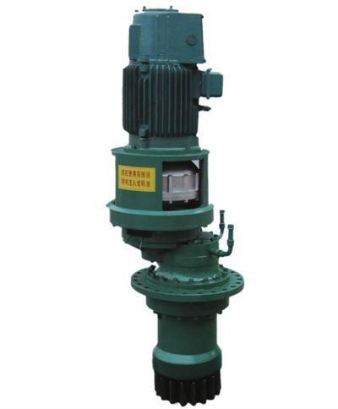
Top 7 Tower Crane Slewing Device Failures and How to Fix Them
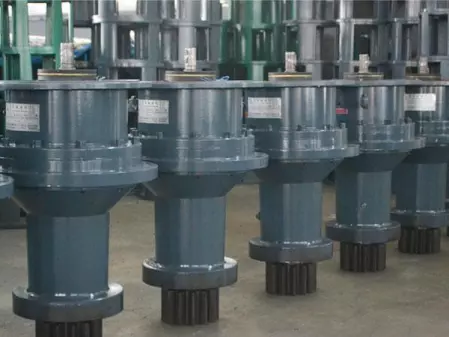

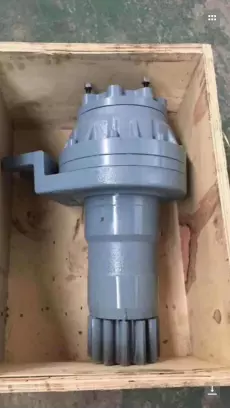
1. E101 – Hydraulic Motor Overheating: Your Crane’s “Fever” (Most Common!)
Ever touched your slewing motor after 10 minutes of use and thought, “That’s hotter than a summer sidewalk”? That’s E101—and it’s responsible for 60% of slewing device breakdowns.
| Key Details | The Lowdown |
| What You’ll Notice | Motor burns your hand (over 80°C/176°F), hydraulic oil gets hot fast, crane shuts down automatically, or it feels “sluggish” when turning. |
| Error Code | E101 (plus E507 if it’s overloaded) |
| Biggest Risk | Seized motor, damaged hydraulic lines, or unexpected shutdown mid-lift. |
Why It Happens (Ranked by How Often I See It)
- Dirty radiator/fan failure (60% of cases): Dust, grease, or debris clogs the motor’s cooling fins—like putting a blanket on a laptop.
- Low/bad hydraulic oil: If the oil’s below the midline or looks like coffee with sediment, it can’t cool the motor.
- Overloading: Trying to swing a load that’s too heavy? The motor works overtime and overheats.
- Internal leaks: Worn seals allow oil to escape, causing the motor to work harder.
What to Fix First (On-Site Priority)
- Shut it down NOW to avoid permanent damage.
- Blow out the radiator with a compressed air hose (never use water—you’ll short out electrical parts!).
- Check the oil: Top it up with the same grade (usually ISO 46 anti-wear hydraulic oil) if it’s low. If it’s black or has chunks, drain and replace it immediately.
- Lighten the load: Unhook heavy cargo and swing the crane empty for 10 minutes to cool down.
- Test the fan: If the fan isn’t spinning, wiggle the wires—loose connections are common.
Parts to Replace (If Needed)
| Part | Priority | Notes |
| Hydraulic oil filter | Must | Replace if oil is dirty or overheated |
| Cooling fan motor | Optional | Replace if not spinning |
| Motor seals | Optional | Replace if leakage is visible |
Grab seals made of nitrile rubber—they handle -20°C to 80°C (-4°F to 176°F) job site temps way better.
2. E402 – Gearbox Trouble: The “Clunk & Grind” Crisis
Hearing a metal-on-metal screech or clunk when your crane turns? That’s the gearbox crying—and E402 is the warning. This one shuts you down fast if you ignore it.
| Key Details | The Lowdown |
| What You’ll Notice | Screeching/grinding noises, weak turning power, oil leaks down the gearbox sides, or hot gear oil smell. |
| Error Code | E402 (gear oil level low) |
| Biggest Risk | Gear teeth breakage—repairing that costs 10x more than a quick fix. |
Why It Happens
- Wrong/low gear oil: Using hydraulic oil instead of gear oil (big mistake!) or letting levels drop below the sight glass midline.
- Worn gears/bearings: Years of use (or rough handling) wear down gear teeth—they don’t mesh right, so they grind.
- Leaky seals: Old gaskets let oil escape, leaving gears unlubricated.
What to Fix First
- Stop the operation and inspect the gear oil level
- Refill with GL-5 gear oil (typically 85W-90 — verify with manual)
- Tighten gearbox mounting bolts
- Listen for consistent grinding (gear wear) vs. intermittent clunking (bearing wear)
Parts to Replace
| Part | Priority | Notes |
| Gear oil | Must | Replace if dark or contaminated |
| Bearings/gears | Must | Any visible leakage |
| Bearings / gears | Optional | Required if noise persists |
3. E203 – Brake Drag/Seizure: The “Sticky Brake” Risk
Ever tried to swing the crane and it feels like it’s pulling a trailer? Or the brake disc is so hot it smokes? That’s brake drag—and E203 is the code. This is a safety hazard, so fix it before lifting.
| Key Details | The Lowdown |
| What You’ll Notice | Crane turns slowly with resistance, brake disc is too hot to touch, or the brake takes 3+ seconds to release. |
| Error Code | E203 (brake pressure low) |
| Biggest Risk | Brake failure mid-swing, or warped brake discs that need full replacement. |
Why It Happens
- Too-tight brake gap: The brake pads should be 0.5-1mm from the disc; wear or adjustment pushes them too close.
- Leaky brake cylinder: Hydraulic fluid leaks, so the brake can’t release fully.
- Worn pads/warped disc: Pads thinner than 3mm or a disc with deep scratches get stuck.
What to Fix First
- Adjust the brake gap to approximately 0.5–1 mm
- Check the brake hydraulic pressure
- Clean the brake disc with brake cleaner
- Inspect pads for uneven wear
Parts to Replace
| Part | Priority | Notes |
| Brake pads | Must | Replace if below wear limit |
| Brake seals | Optional | Replace if leakage is present |
| Brake disc | Optional | Replace if warped |
4. E305 – Unstable Slewing Speed: The “Speed Wobble” (Won’t Lift Speed!)
One minute the crane swings fast, the next it’s crawling—and it won’t go faster than a snail? That’s E305, and it’s usually a quick fix with pressure or sensors.
| Key Details | The Lowdown |
| What You’ll Notice | Speed fluctuates, can’t reach full turning speed, or the crane doesn’t respond to the control lever. |
| Error Code | E305 (speed sensor fault) + E507 (if overloaded) |
| Biggest Risk | Uneven load swings can tip the crane or damage cargo. |
Why It Happens
- Low hydraulic pressure: The relief valve (which controls pressure) is stuck or set too low—usually 15-20MPa for most cranes.
- Faulty speed sensor: The sensor tells the crane how fast it’s turning—if it’s loose or broken, the speed goes haywire.
- Clogged hydraulic lines: Dirt blocks oil flow, so the motor can’t get consistent power.
- Worn motor: Internal parts wear out, so the motor can’t maintain speed.
What to Fix First
- Verify system pressure (typically within 15–20 MPa, model dependent)
- Secure and inspect speed sensor connections
- Replace the hydraulic oil filter
Parts to Replace
| Part | Priority | Notes |
| Hydraulic oil filter | Must | Replace ifthe signal fluctuates |
| Speed sensor | Optional | Replace if signal fluctuates |
5. E203 – Brake Failure: The “No-Stop” Nightmare (HIGH RISK!)
You hit the brake lever, and the crane just keeps swinging? This is the scariest slewing failure—E203 is back, and it’s critical. Stop lifting immediately.
| Key Details | The Lowdown |
| What You’ll Notice | The load swings out of control—this is a safety emergency. |
| Error Code | E203 (brake pressure zero) |
| Biggest Risk | Load swings out of control—this is a safety emergency. |
Why It Happens
- Broken brake lines: Hydraulic lines crack or leak, so no pressure reaches the brakes.
- Dead brake spring: The spring that pushes the brake pads against the disc breaks—no spring = no brake.
- Greasy brake disc: Oil leaks onto the disc, making it slippery (brakes can’t grip).
- Faulty brake pump: The pump that sends fluid to the brakes stops working.
What to Fix First (Emergency Steps!)
- Lock the manual brake: Every tower crane has a manual override—use it to stop the crane from swinging.
- Find the leak: Look for broken hydraulic lines—patch small leaks with a quick-connect fitting (keep these in your toolbox!).
- Top up fluid: Fill the brake reservoir with hydraulic oil—even a little pressure can save the day.
- Clean the disc: Wipe the brake disc with brake cleaner to remove oil—grease is the enemy here.
Parts to Swap
- Must Replace: Broken brake lines, snapped brake spring, brake caliper seals (if leaking).
- Optional But Smart: Brake pump (if no pressure), brake disc (if oil soaks in and won’t clean off).
Pro Tip: Keep a spare brake spring and a roll of hydraulic line tape in your truck—emergencies wait for no one.
6. E402/E305 – Strange Noises/Vibrations: The “Early Warning”
Hearing a “buzz”, “rattle”, or feeling the crane shake when it turns? This isn’t just annoying—it’s a sign of bigger problems coming. It usually tags along with E402 or E305.
| Key Details | The Lowdown |
| What You’ll Notice | Buzzing resonance, metal rattling, or the crane’s upper section shaking. |
| Error Code | No code (but E402/E305 often pop up with it) |
| Biggest Risk | Loose bolts or worn bearings that fail mid-lift. |
Why It Happens
- Loose bolts: The bolts holding the gearbox, motor, or slewing bearing work loose from vibration.
- Worn slewing bearing: The big circular bearing that lets the crane turn wears out—no lubrication = metal-on-metal noise.
- Bad gear mesh: Worn gears in the gearbox don’t fit right, causing vibration.
- Loose sensor: The speed sensor (E305) or oil level sensor (E402) is loose and rattling.
Quick Fixes
- Tighten EVERYTHING: Grab a wrench and snug up all bolts on the slewing device—focus on the slewing bearing bolts and motor-gearbox connection. This fixes 80% of vibration issues!
- Grease the bearing: Pump lithium-based grease into the slewing bearing’s grease fittings—until you see fresh grease oozing out.
- Locate the noise: Use your screwdriver stethoscope:
- Buzzing = loose bolts or resonance.
- Rattling = worn bearing.
- Grinding = gear wear (see E402 fix).
Parts to Swap
- Must Replace: Worn slewing bearing (if it’s dry or has play), damaged gears (if grinding continues).
- Optional but Smart: Coupling (connects motor to gearbox—if it’s cracked), speed sensor (if loose and damaged).
Pro Tip: Grease the slewing bearing every week—dry bearings are the #1 cause of noise and failure.
7. Hydraulic Leaks (Linked to E101/E203/E402): The “Silent Killer”
Leaks aren’t just messy—they cause 30% of all slewing device failures. You might not see E402/E203 right away, but leaks lead to low oil, overheating, and brake failure fast.
| Key Details | The Lowdown |
| What You’ll Notice | Puddles under the crane, oil stains on the slewing device, or slowly dropping oil levels. |
| Error Code | E101 (motor overheat), E203 (brake pressure), E402 (gear oil) |
| Biggest Risk | Sudden failure of motor, brakes, or gearbox—all at once. |
Why It Happens
- Worn seals/gaskets: Rubber seals dry out and crack from sun, heat, and oil exposure.
- Loose fittings: Hydraulic line fittings work loose from vibration.
- Damaged hoses: Hoses rub against metal parts and develop holes.
Quick Fixes
- Find the leak: Wipe the slewing device with a rag, then run the crane—fresh oil will show you where the leak is.
- Tighten fittings: Use a wrench to snug up loose hydraulic line fittings (don’t over-tighten—you’ll strip threads!).
- Patch small holes: Use hydraulic line tape or a quick-connect patch for small hose leaks.
Parts to Swap
- Must Replace: Worn seals (motor, gearbox, and brake cylinder seals), cracked hydraulic hoses.
- Optional but Smart: O-ring kits (keep a variety pack—they fit most cranes).
Pro Tip: Buy UV dye for hydraulic oil—add it to the system, shine a black light, and leaks glow like neon. Saves 10 minutes of hunting!
How to Diagnose Failures Fast (No Tools Required!)
When you’re on a busy job site and don’t have time to grab gauges or manuals, use this “sense check” to find the problem:
| Sense | What to Do | What It Means |
| See | Check oil levels (motor, gearbox, brakes), look for leaks, and note error codes. | Low oil = E402/E203; leaks = seal failure; codes = direct clue. |
| Listen | Lean in and listen to the slewing device:- Grinding = gears/bearings- Buzzing = loose bolts- Hissing = air in hydraulic lines | |
| Touch | Feel the motor and gearbox (carefully—don’t burn yourself!):- Hot (>80°C) = E101- Vibrating = loose parts | |
| Smell | Sniff for weird odors:- Burnt rubber = motor overheat-oil = old/bad oil = electrical failure (fan motor) |
Pro Hack: Take a 10-second video of the noise/vibration and the error code—if you need to call a pro, they’ll diagnose it faster with visual/audio clues.
3 Critical Mistakes to Avoid (Save Time & Money!)
I’ve seen techs make these mistakes over and over—don’t be that guy:
Don’t force a stuck brake: Prying or hitting a seized brake with a hammer warps the disc. Adjust the gap or replace pads first—way cheaper than a new disc.
Don’t mix oil types: Using hydraulic oil in the gearbox (or vice versa) breaks down parts fast. Stick to the crane’s manual—GL-5 for gears, ISO 46 for hydraulics.
Don’t clear error codes without fixing the problem: Clearing E101 and ignoring a dirty radiator means it’ll shut down again mid-lift. Fix the root cause first!
Wrapping Up
Tower crane slewing device failures don’t have to be a nightmare. Most issues boil down to basic maintenance (clean radiators, fresh oil, tight bolts) or quick part swaps. The key is to act fast—ignoring error codes or strange noises turns a $50 seal replacement into a $5,000 gearbox repair.
Keep this guide handy on your phone (save it as a PDF!)—next time E101, E203, or E402 pops up, you’ll know exactly what to do. And if you hit a tricky one? Drop a comment with the error code, noise, and crane model—I’ll help you troubleshoot for free.
Stay safe, keep those cranes turning, and let’s avoid unnecessary downtime!