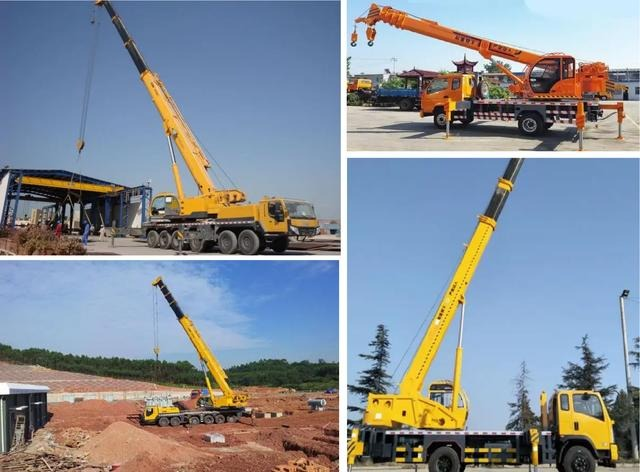
Imagine that the situation described above has occurred: the load plan calls for a 98-ton load, the load chart on the rental crane calls for a 100-ton load, the load moment indicator (LMI) has a constant green light, and the load has lifted off the ground smoothly.
What has happened behind the scenes at the rental yard is that the computer has just turned the status of the load transaction red. You have not tipped the crane, bent the boom, or caused a major accident. However, you have effectively voided your insurance coverage and granted the rental firm a blank check for future structural repairs without realizing the consequences.
- Insurance providers will label the operation as overloading.
- The rental firm will label it as equipment misuse.
- The operator will claim that everything was done within the official guidelines.
This is the crux of the rental crane liability crisis of 2026. No longer does liability for damage or failure of a crane fall simply upon the judgment of the crane’s operator or the information contained in the operator’s manual. Instead, the evidence that determines liability resides in the cloud, as telematics technology advances beyond the realm of offline data logging and into the world of real-time streaming. LMI information is no longer simply used by rental companies for safety considerations, but also as a legal tool to shift the burden of structural fatigue onto the renter.
What the Black Box Actually Records (And How It Works Against You)
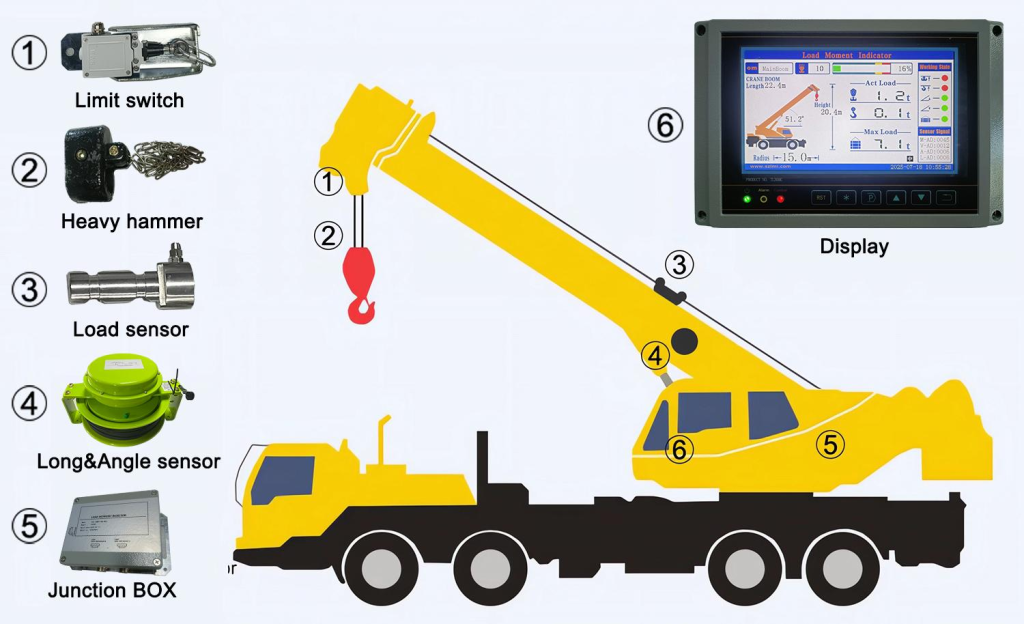
The black boxes of cranes today are not safety devices; they’re evidence-generating devices that are admissible in court. They do not record intentions; they record objective, real-time crane operational data that is full evidence. Every crane movement is recorded permanently. There is no room for argument in court or when settling an insurance claim.
For decades, crane accidents were disputed based on expert witness testimony. This is no longer necessary. 2026 cranes are rented with live telematics. This is not black boxes. These cranes have sensors that transmit real-time information to the rental company’s cloud server. Every crane LMI bypass, every near-miss overload, every slight crane tilt, and every stretch of high stress is transmitted in real-time. Every moment of your rental period is recorded.
The hidden danger is that if you overload a crane to 102 percent capacity on a single lift, this creates a permanent record. If this crane develops structural fatigue and cracks months down the road on a different crane site, we can prove that you caused this damage.
Why You Can Be Liable Even Without Clear Overloading
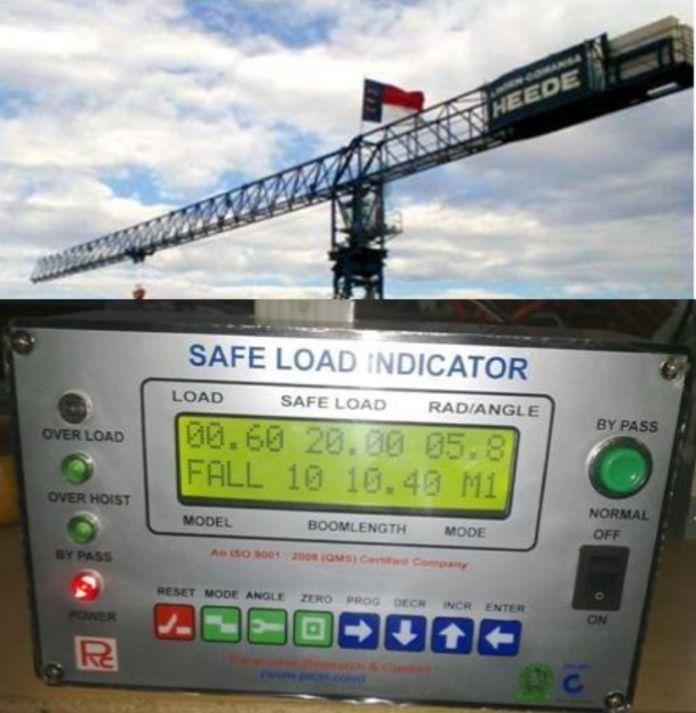
Going beyond the crane’s safe working limits also involves the operation beyond the permissible limits in the radius of operation, the stress on the crane by the dynamic forces, and the full onboard computer (black box) information. If the crane operator feels that the operation was well within the safe working limits, the computer may indicate otherwise, leading to denied insurance claims and full legal liability for the renter.
There is a dangerous misconception in the industry that a 40-ton crane implies the safe working ability of a 40-ton load. Most renters believe that if the load matches the load charts, full insurance protection and compliance are in place. However, that is not the case.
There exists a growing disparity in the rental agreements for modern cranes in two important areas:
- Rated Capacity: This refers to the maximum load that the machine was designed to operate with in the most optimal conditions.
- Contractual Limit: This refers to the restricted load that the rental company allows in the rental agreement.
In virtually all rental contracts for cranes in 2026, there are strict provisions for abuse that begin with only 90% of the crane’s rated capacity. Even if the LMI is in the green and does not indicate any problems, working in the top 10% of the crane’s capacity is considered “overloading,” and the renter is held fully liable.
Insurance Subrogation: The Hidden Financial Risk
In the event that a crane malfunctions, collapses, or is damaged in some way, the insurance company may pay the initial cost. However, they may fight hard to recover the cost through subrogation and pass the cost entirely to the party involved. Here are some of the common scenarios and the outcomes:
| Scenario | LMI Status | Legal & Financial Outcome |
| Pure mechanical failure | Normal, no warnings | Insurance covers the rental company’s losses with no renter liability |
| Minor overload (101% of limit) | Warning activated | Insurance pays the rental company first, then sues the renter for full reimbursement |
| LMI system bypassed or disabled | Shut off or non-functional | Renter and operator face potential criminal negligence charges |
By 2026, insurers will have adopted AI-powered analytics to analyze all load cycle data. No longer will they just investigate at what precise time failure occurred. Instead, they will look for patterns of abusive operation, frequent near-limit lifts, or minor overages during the rental period and deny claims altogether.
The 125% Load Test Paradox
With new global regulations, including updated SOLAS II/3-13, global crane standards, and OSHA regulations, crane load testing is now more rigorous and more frequent, beginning in January of 2026. All regulations require a 125% load test to ensure integrity.
This is a cruel paradox: a required 125% load test is a severe stress on a crane, causing micro-cracks in the boom that are invisible to the eye. If you rent a crane after this official stress test, you may be getting a crane that already has micro-cracks in its boom.
If your crane boom breaks under your 90% load, you are liable. You are liable even without a Non-Destructive Testing Report before you rent the crane.
How to Protect Yourself: 2026 Compliance Checklist
To avoid this liability pitfall, it takes more than a good crane operator; it takes a forward-thinking, document-based digital strategy. Here are the crucial steps to follow:
- Requesting Pre-Rental Telematics Logs: Never accept a crane without getting a look at a full 30-day history of LMI data. Never accept a crane without a guarantee that you won’t be stuck with someone else’s damage or infraction.
- Confirming the Abuse Threshold in Writing: Get a written guarantee from the rental company on what percentage of a load is “misuse” in a rental contract. This is not a conversation for a verbal guarantee.
- Wind and Dynamic Forces: For large, high sail area loads, wind can easily turn a 90% load into a real world stress load of 110%. Set your internal threshold for a safe load at 75%.
Top 3 Costly Claim Traps for Renters
1. Vague Contract Language and Unclear Load Standards
This is the most common and damaging pitfall. Rental agreements often simply say “follow the manufacturer’s standards,” but there is no explanation of dynamic load ratings, safety factors, conditions, or the legality of black box data. Conflict arises very quickly with the rental company citing rated capacity and the renters citing on-site restrictions. In the absence of unambiguous language in the rental contract, even good data can lead to costly and protracted litigation.
2. Assuming Minor Overloads Are Harmless
Countless crews are taking the risk, thinking that a few hundred pounds over the limit for a few seconds poses no risk. The crane load limits are not guidelines; they are hard safety limits. An overload for just one second causes hidden structural damage and leaves a permanent record. The insurance policies have clauses that deny any claims for damage caused by the renter due to overload, making the renter liable for repairs or face criminal charges in the event of an accident.
3. Tampering with Safety Systems or Alarms
Some teams may modify moment limiters, disable black box alarms, or even hack load lock programs to speed up their work. What was a standard dispute in a contract relationship is now intentionally negligent. Rental companies can leverage telematics information to recover total damages for intentionally harmed equipment, placing all legal and financial burden on the renter.
Attachment:2026 Telematics & Liability Addendum.PDF