In many lifting systems, the biggest problems are often caused by the smallest components. One of those overlooked parts is the nylon splitter. While it’s not as visible as the motor, drum, or hook block, it plays a quiet but essential role in keeping the hoist running smoothly.
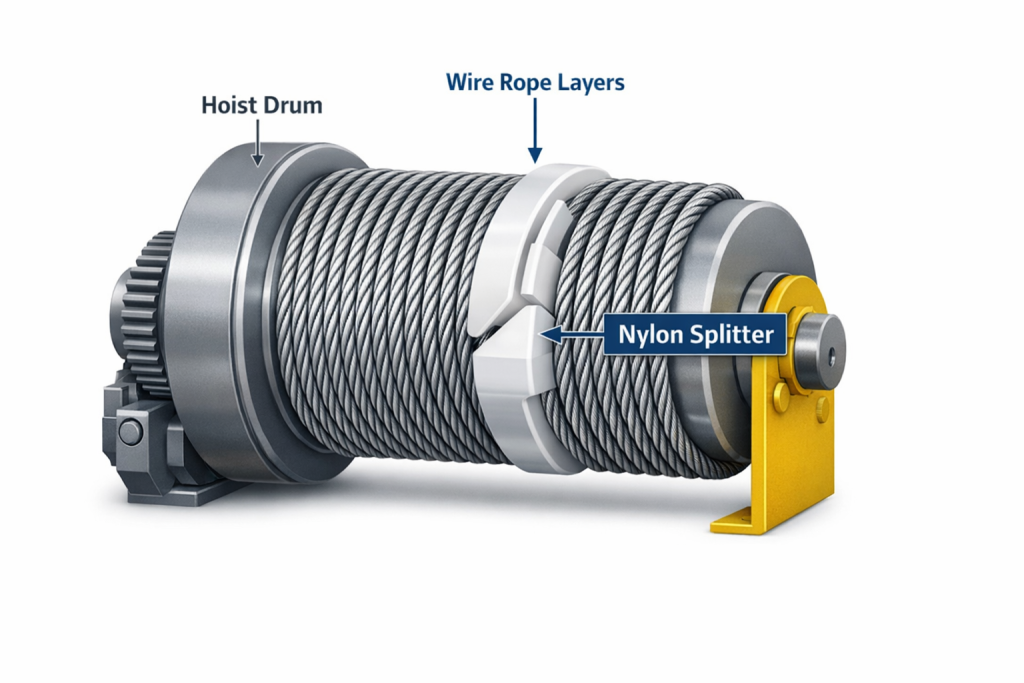
If you’ve ever worked around a heavy-duty hoist, you know that bone-chilling “clank” sound. It’s the sound of a wire rope jumping its track, overlapping, or—heaven forbid—getting absolutely jammed inside the drum.
It’s not just a minor hiccup; it’s a productivity killer. When a wire rope begins to pile up or cross over itself on the drum, the result can be a rope jam inside the hoist, unexpected downtime, and sometimes even serious safety risks. This is where the nylon splitter becomes critical. It helps guide the rope correctly and prevents the winding disorder that leads to jams.
Why Does Your Wire Rope Keep Jamming Anyway?
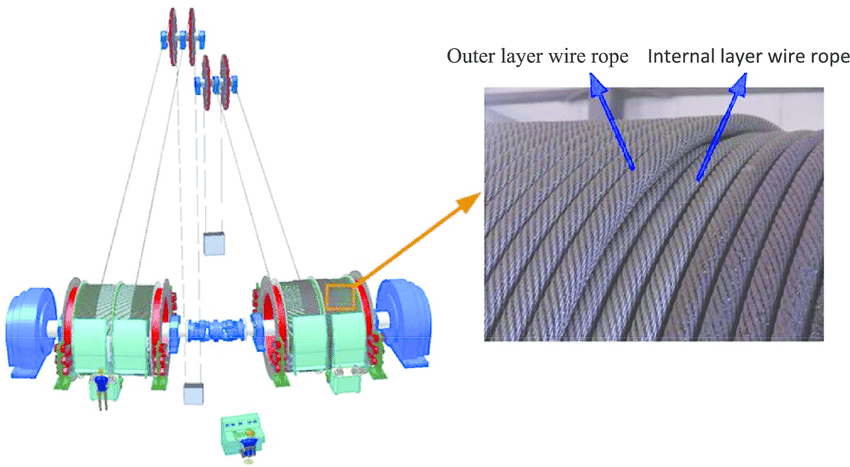
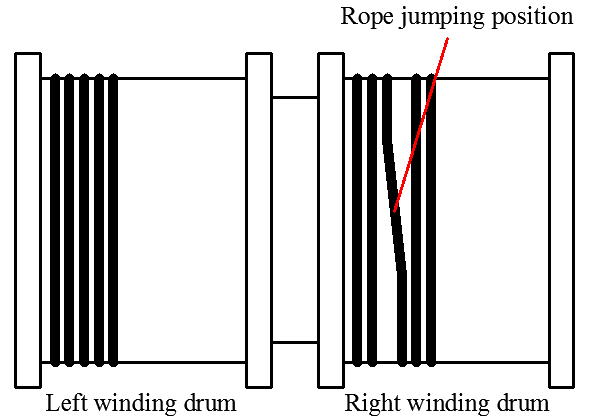
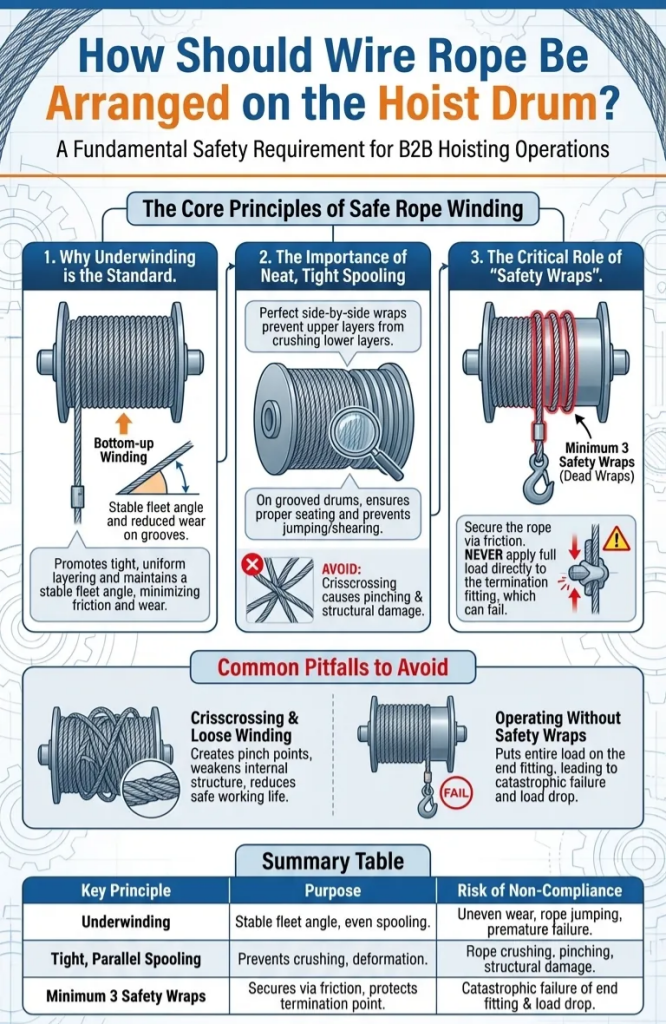
A wire rope hoist works by winding and unwinding the rope around a drum in a controlled pattern. Ideally, each wrap of rope sits neatly next to the previous one.
In real-world operations, however,Wire ropes aren’t exactly “obedient.” When a hoist is running fast, or if there’s a bit of a side load, the rope wants to wander. Without a guide, it starts birdcaging (unraveling) or stacking up on one side of the drum.When the rope begins to overlap or stack unevenly, it may get trapped between layers. This leads to rope crushing, increased friction, and eventually a jam inside the hoist drum.
Typical Risks When Rope Piling Occurs
| Rope Issue | What Happens | Operational Risk |
| Cross winding | Rope crosses over previous wraps | Rope damage and uneven tension |
| Rope pile-up | Multiple layers stack incorrectly | Drum jamming and lifting interruptions |
| Rope climbing flange | Rope moves toward drum edge | Potential derailment or rope derail |
| Slack rope loops | Loose rope forms loops | Rope snagging during retraction |
| Rope crushing | Upper layers press into lower ones | Reduced rope lifespan |
“Traditional metal guides were the old-school fix, but they’re like fighting fire with fire. Metal rubbing against metal creates heat, sparks, and premature wear. You’re basically sanding down your expensive wire rope every time you lift a load.”
How a Nylon Splitter Prevents Rope Jams: The “Traffic Cop” of Your Hoist
Think of the Nylon Splitter as a dedicated traffic cop sitting right where the rope meets the drum. Its job is simple but critical: keep the lines straight.
It physically separates the incoming rope from the coils already on the drum. By maintaining a precise gap and providing a smooth path, it ensures the rope lays down in perfect rows, every single time.Instead of allowing the rope to wander across layers, the splitter creates a controlled path that guides the rope into the correct position during winding.
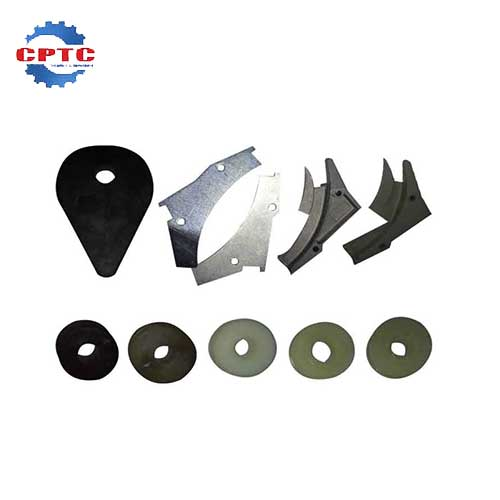
Why Nylon Is the Preferred Material?
You might wonder, “Why not use a tougher plastic or more steel?” Well, nylon is the “Goldilocks” material for hoisting for a few specific reasons:
- Self-Lubrication: Nylon (specifically PA6 or MC variants) has a natural slipperiness. It doesn’t need constant greasing to stay smooth.
- Kind to Steel: Nylon is “softer” than the wire rope. In the world of friction, you want the replaceable part (the splitter) to take the wear, not the $1,000+ wire rope.
- Vibration Dampening: Unlike rigid metal, nylon absorbs the “chatter” of the machine, leading to a much quieter and smoother operation.
Nylon Splitter vs Traditional Rope Guides
In many modern hoist designs, both components work together. The rope guide directs the rope onto the drum, while the splitter ensures layers stay organized once they’re on the drum.
| Feature | Nylon Splitter | Rope Guide |
| Primary function | Separate rope layers | Guide rope onto drum |
| Prevent rope overlap | Strong | Moderate |
| Control lateral rope movement | High | Moderate |
| Maintenance frequency | Low | Medium |
| Rope wear risk | Low | Moderate |
Where Nylon Splitters Are Commonly Used
You’ll typically find nylon splitters in lifting systems where rope winding accuracy is critical.
These include:
- electric wire rope hoists
- overhead cranes
- gantry cranes
- industrial winches
- marine lifting systems
In environments with frequent lifting cycles or heavy loads, rope management becomes even more important.
A small alignment issue repeated hundreds of times a day can quickly turn into a serious mechanical problem.
| The Headache (Without a Splitter) | The Peace of Mind (With Nylon Splitter) |
| Overlapping Rope: Causes crushing and permanent kinks. | Perfect Spooling: Rope stays in its designated groove. |
| Friction Heat: Metal guides “shave” the wire rope fibers. | Self-Lubricating: Nylon lets the rope glide like butter. |
| Sudden Jams: Forces an immediate (and costly) site shutdown. | Predictable Flow: Consistent performance even at high speeds. |