If you are the operator, maintainer, or procurement staff for a suspended platform supported by four wires, your foremost considerations would be safety, functionality, and economy. This manual avoids theoretical jargon and delves straight into practical information: ensuring the platform runs smoothly, recognizing when to change the wires, and identifying the most economical wires.
Suspended platforms for construction, warehousing, and industrial applications are solely reliant upon their four wires at each corner. A problem with one wire may jeopardize human lives, machinery, and operations. Below is a practical guide to inspection, indicators of replacement, and comparisons that will enable you to take swift action.
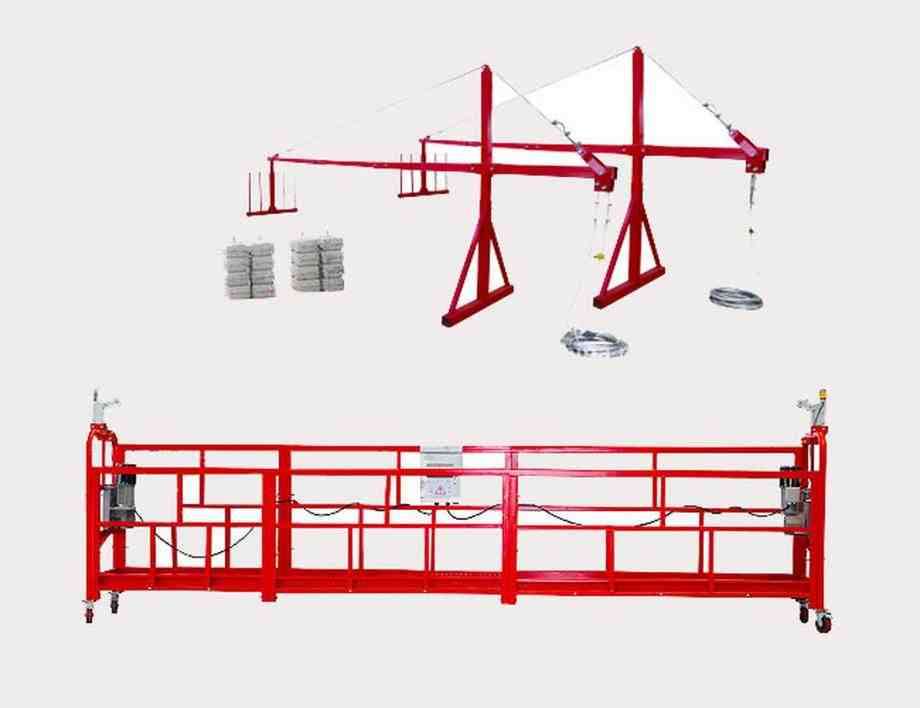
Key Wire Specs for Real Use
Ignore any other information; here are the three key features that will help your life:
- Length: 2 to 5 meters (3 meters is common for most platforms).
- Diameter: 2.0 millimeters (holds up to 50 to 100 kilograms).
- Weight Support: Four wires hold the same weight. If you have a 50-kilogram load, each wire holds about 12.5 kilograms (a quick calculation at the moment).
5-Minute Wire Inspection (No Special Tools)
- Visual Inspection: Label wires for replacement if there is any sign of fraying, rusting, or bending (fraying reduces wire strength by 30% or more).
- Touch Inspection: Put on gloves—irregular surface indicates wear and tear.
- Load Inspection: An uneven, unloaded platform suggests a damaged wire.
- Age Inspection: Replace wires after 2 to 3 years of use (2 years in severe conditions such as outdoor, high humidity, or excessive loading).
When to Replace Wires (Don’t Wait for Failure)
Immediately replace any wires that exhibit the following:
- Fraying, rust, or kinking (even minor).
- Inconsistent sags (after adjustment).
- Age greater than 3 years (or 2 years in harsh environments).
- A near-miss (such as a broken wire or excessive movement)—replace all four (mixing will cause an imbalance).
Tip: Always replace all four wires together to avoid any imbalance when using wires of different ages.
Replacement vs. Repair: Cost Comparison
Here’s a real-world cost breakdown to choose the best option:
| Option | Cost (Per Wire / Total) | Lifespan | Pros | Cons |
| Repair (Fray/Kink Fix) | $15–$25 / $60–$100 total | 6–12 months | Cheaper upfront | High re-failure risk; unsafe for heavy loads |
| Replace 1 Wire | $30–$40 / $30–$40 total | 1–2 years (uneven) | Low upfront cost | Imbalance risk; costly long-term |
| Replace All 4 Wires (High-Quality) | $35–$50 / $140–$200 total | 2–3 years | Safe, low maintenance, long-term savings | Higher upfront cost |
Why Full Replacement Is Best
- Safety: A wire failure costs far more than $140–$200 in damage/injuries.
- Savings: Repairs/replacing one wire means repeated issues—full replacement lasts 2–3 years.
- Less Downtime: One-time replacement gets your platform back faster than frequent repairs.
How to Choose New Wires
- Trusted Brands: Choose wires labeled for suspended platforms (not generic industrial wires).
- Match Your Needs: 3m, 2.0mm wires work for most (50–100kg loads); 2.5mm for heavier loads (+$5–$10 per wire).
- Weather Resistance: Galvanized/stainless steel for outdoor/humid use (+$3–$5 per wire, longer lifespan).