If you’ve ever cracked open a gearbox only to find your worm wheel looking like a smooth copper penny instead of a gear, you’ve probably asked yourself: “Can I replace a brass worm wheel with a bronze one to make it last longer?”
Yes — in many cases, you can, and it often improves durability. However, and honestly, you probably should find out more. While brass and bronze look similar to the untrained eye, in the world of high-friction power transmission, they are worlds apart.
You can almost always replace a brass worm wheel with a bronze one to boost durability. Bronze is the industry heavyweight for a reason. However, “better” doesn’t mean “bulletproof.” You still need to match the gear geometry (pitch and pressure angle) and check your lubrication, or you’ll just be grinding up a more expensive piece of metal.
Let’s continue our analysis.
Brass vs Bronze Worm Wheels: What’s the Real Difference?
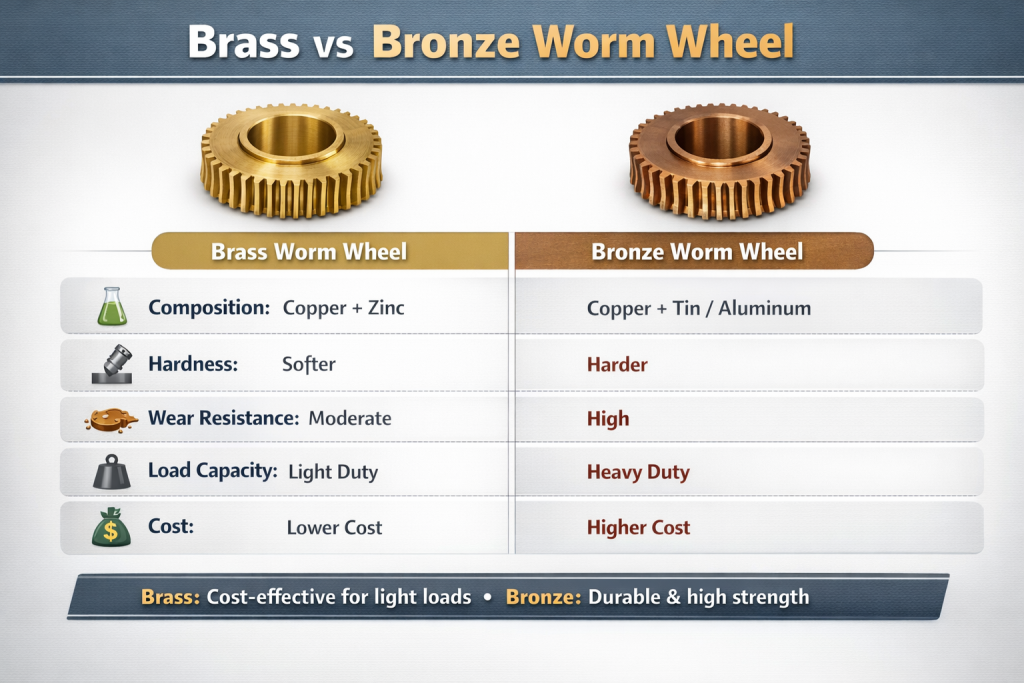
At first glance, brass and bronze look similar. Both are copper-based alloys, and both are used in gears. But their mechanical behavior in worm drives can be quite different.
Bronze is generally stronger and more wear-resistant than brass, which is why it’s widely used in industrial worm gear systems.
But brass still has advantages in cost, machinability, and smooth operation under light loads.
| Property | Brass Worm Wheel | Bronze Worm Wheel |
| Main alloy elements | Copper + Zinc | Copper + Tin / Aluminum |
| Hardness | Lower | Higher |
| Wear resistance | Moderate | High |
| Load capacity | Light to medium | Medium to heavy |
| Friction behavior | Good | Very good |
| Typical lifespan | Shorter | Longer |
| Cost | Lower | Higher |
Why Bronze Is So Common in Worm Gear Systems?(And Why Brass Fails)
Let’s get real—brass is great for doorknobs and musical instruments, but it’s often the “budget” choice in motion control. It’s softer and zinc-based. When a steel worm starts sliding against a brass wheel at high speeds, the heat build-up can make brass lose its structural integrity fast.
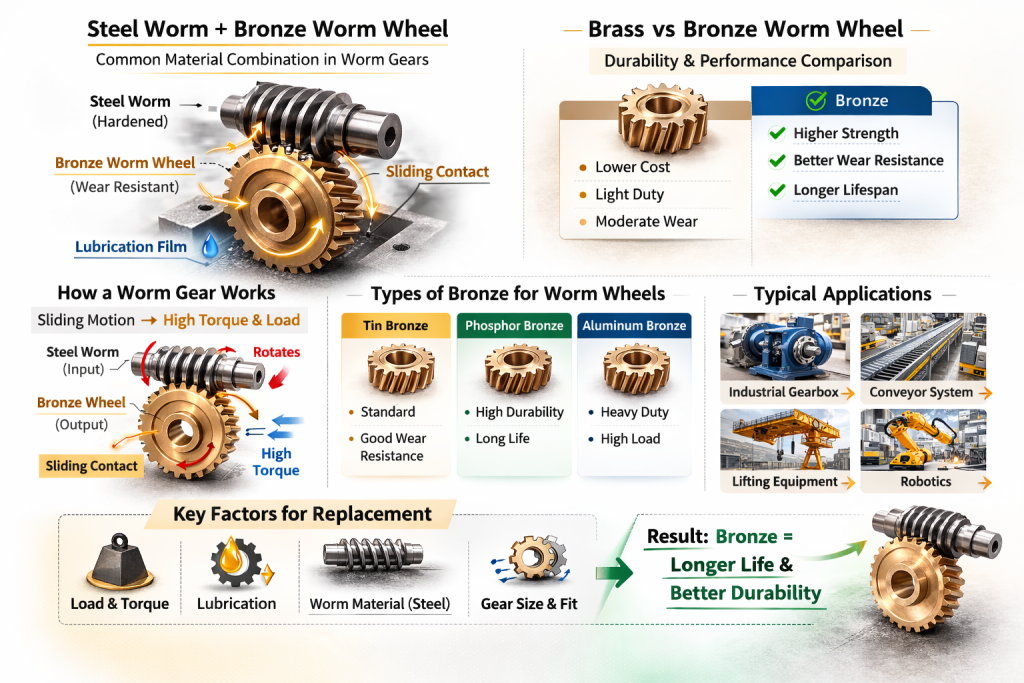
Bronze (specifically Phosphor Bronze or Aluminum Bronze) is a different beast. It’s engineered for the “sliding” nature of worm gears. It has built-in lubricity, meaning it plays nice with the steel worm, reducing friction and shedding heat way better than brass ever could.
- Worm gears operate differently from spur gears. Instead of rolling contact, they rely heavily on sliding contact, which creates more friction and heat.Bronze handles that sliding interaction better than many other metals.
- Another important concept is what engineers call sacrificial wear.The worm wheel is intentionally softer than the steel worm. If wear occurs, the wheel wears first, protecting the expensive worm shaft.
| Feature | Brass (The Budget Play) | Bronze (The Pro Choice) | The Impact on Your Machine |
| Wear Life | Short; prone to “flaking” | Long; work-hardens over time | Bronze lasts 3x–5x longer in heavy cycles. |
| Heat Tolerance | Softens quickly | Stays rigid under pressure | Less risk of gear teeth warping or “seizing.” |
| Load Capacity | Light duty only | Heavy-duty/Industrial | Bronze handles those sudden “shock loads” without snapping. |
When Replacing Brass with Bronze Makes Sense
In many mechanical systems, upgrading from brass to bronze is a practical improvement.
It’s particularly beneficial when the worm gear operates under continuous load or higher torque.
Common situations where bronze is a good replacement:
- Industrial gear reducers
- Conveyor systems
- Lifting mechanisms
- Automated machinery
- Robotics gear drives
- Packaging equipment
In these environments, wear resistance matters more than material cost, and bronze tends to outperform brass over time.
A bronze wheel can often last 1.5 to 3 times longer than a brass wheel in similar operating conditions.
What to Watch for During the Swap
Before you go ordering parts, you need to think like an engineer for a second. A “better” material won’t fix a “bad” setup.
- Check your Worm Material: Bronze is most effective when paired with a hardened and ground steel worm. If your worm is soft or scarred, it’ll chew through your new bronze wheel like a saw.
- The Lubrication Trap: Bronze gears love “Compounded” oils or specialized worm gear lubricants. Some modern synthetic oils contain sulfur-phosphorus additives that can actually corrode yellow metals if the temperature gets too high. Stick to high-quality, non-active EP lubricants.
- Fitment is King: Even if the material is better, the backlash and alignment must be spot on. If the center distance of your gears is off by even a hair, you’ll concentrate all the force on the edge of the teeth, leading to “pitting” regardless of the material.
“The biggest risk usually isn’t the material itself — it’s lubrication.
Both brass and bronze worm wheels rely on proper lubrication to prevent excessive friction.”
Which Bronze Should You Grab?
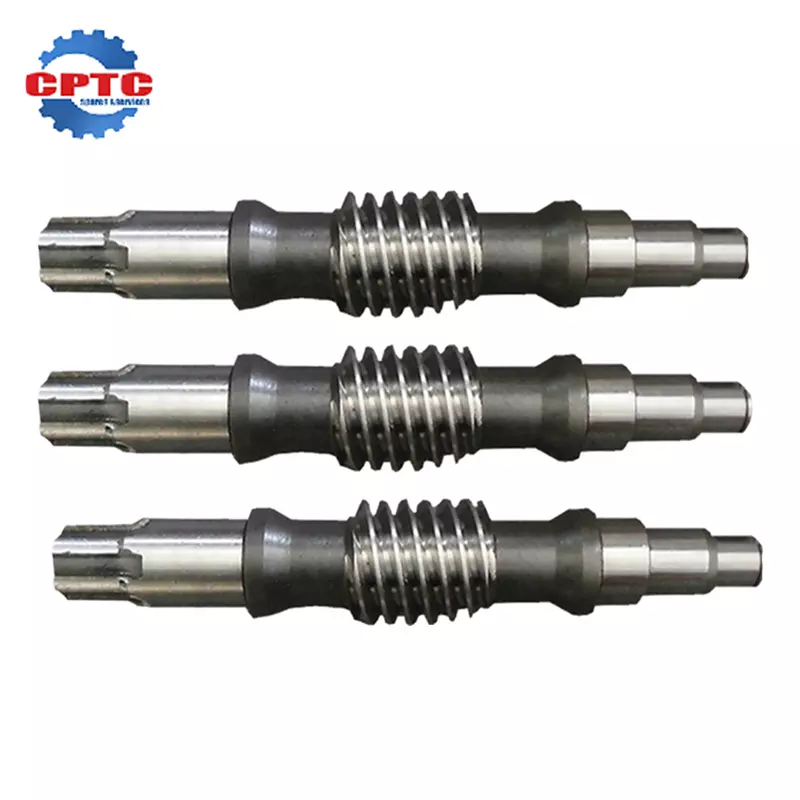
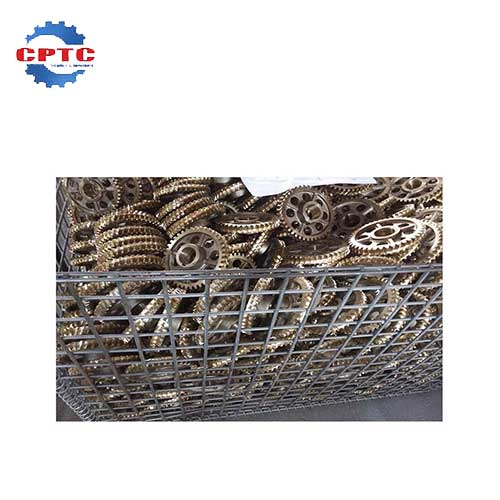
Not all bronze is created equal. If you’re making the switch, pick your flavor based on your pain point:
- Phosphor Bronze (e.g., C90700): This is the “Gold Standard.” It’s incredibly slippery and perfect for high-speed continuous running.
- Aluminum Bronze: Choose this if your machine deals with massive shock loads or heavy lifting but moves at slower speeds. It’s much tougher but slightly more abrasive.